(香港) 繁體中文
(台灣)

MAKING THE WORLD BETTER
FOR FUTURE GENERATIONS
#Japan
“THE POWER OF CLOTHING ”
PROJECT
“The Power of Clothing”
Project
Your school can also help provide clothes to refugees.
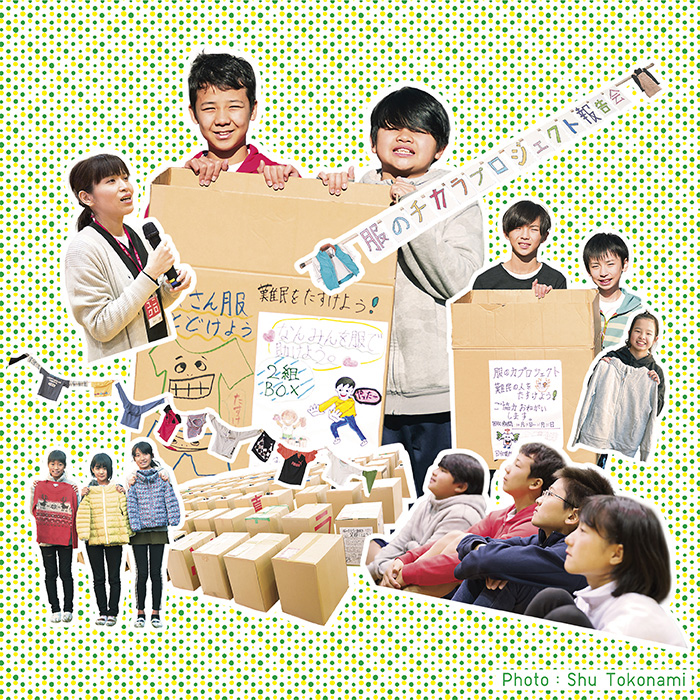
Fast Retailing is collaborating with UNHCR (The United Nations High Commissioner for Refugees) on this hands-on learning program for elementary, middle, and high school students. After attending a class taught by Fast Retailing employees, the children take the initiative to collect old children's clothing from their schools and local communities. The collected clothing is then donated to refugees and other people in need.
*You will be redirected to UNIQLO website
Activity content and flow
1
Classes (June to August)
Learn about the "power of clothing."
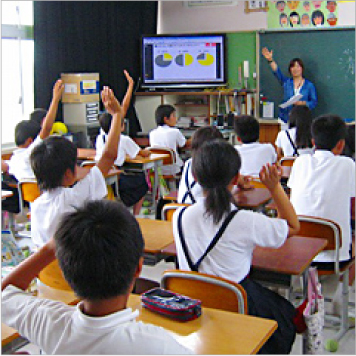
UNIQLO and GU employees will visit schools and act as instructors to give classes.
The lesson will use PowerPoint presentations and photos to explain the SDGs (Sustainable Development Goals), the significance of recycling, the power of clothing, and how to use collected clothing. This will give children an opportunity to realize that they too can contribute to society.
Depending on your environment, you can choose from "On-site lessons" *1, "On-site lessons (lessons using Google Earth)" *2, "English lessons," or "Video lessons (data provided)."
*1 Applications will be accepted on a first-come, first-served basis, with a limit of 60 schools this fiscal year. Please note that once the limit of 60 schools is reached, the program will become a "visiting class."
*2 Applications will be accepted on a first-come, first-served basis, with a maximum of 10 schools this fiscal year. Please note that once the 10-school limit is reached, the "visiting lessons" will be conducted in Japanese.
Eligible: 750 elementary, junior high, and high schools in Japan (including integrated schools and special needs schools) on a first-come, first-served basis
*There are two types of teaching materials: one for elementary school students (5th and 6th grade) and one for junior and senior high school students.
Duration: 45-60 minutes
Framework: Classes (either by class or by grade), student council activities, committee activities, club activities, etc.
Number of times: Only once per school
Number of participants: 20 or more (video lessons are optional)
Off-site lesson dates: [Participate in the project] Please see.
*Please bring a projector, screen, PC, and speakers for class.
*Textbooks will be sent to the school in advance.
*Please prepare the video so that it can be played on the school's computers.
2
Call (after class)
We call for cooperation within the school and the local community.
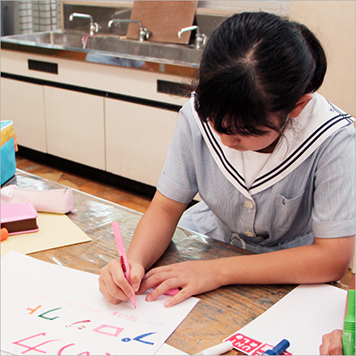
When, where, who, and how to appeal to them: Children come up with ideas and call for cooperation.
They decide on roles and create posters and collection boxes. They use creative methods to solicit cooperation in collecting clothes, such as making calls to the whole school through the school's internal broadcasting system and at school assemblies, and visiting nearby elementary schools and kindergartens to explain the situation with handmade picture-story shows. This allows the children to use their free-thinking and proactive thinking.
3
Collection and shipping (until November)
We collect the clothes and send them to our warehouse.
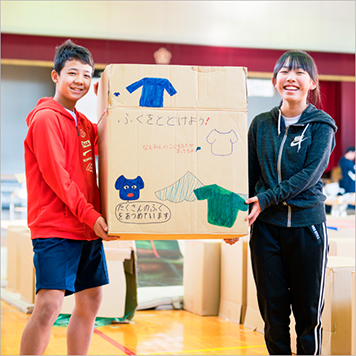
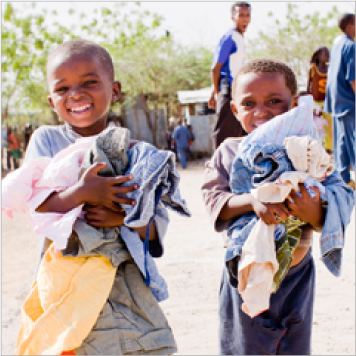
Once the children's clothes are collected, they are packed into cardboard boxes and sent to a designated warehouse.
Collection methods vary depending on the school. Some schools set up handmade collection boxes in the school entrance or hallway, ask local elementary schools or kindergartens to collect, or collect at school festivals or parent-teacher meetings. After collection, please send the collected clothes in cardboard boxes to a designated warehouse. The clothes are sorted and packaged at the warehouse before being delivered to refugee camps and other locations.
Clothing collection period:
The period can be freely set between the end of the field trip and November 2025.
*Please be sure to complete shipping by the specified deadline in November 2025.
Recalled products:
All children's clothing. Size and brand are not important. (Underwear and accessories are not accepted.)
*Please collect children's clothes in a washed state.
*Cardboard boxes for shipping the collected clothing and shipping labels will be sent to the school in advance. There is no charge for cardboard boxes or shipping the collected clothing.
4
Report (January)
You will receive a clothing donation report.
Report your success and express your gratitude to your school and community.
A photo report of the donations to the refugee camp will be sent to each school.
After the children's clothes have been shipped, we will report to those who helped us, saying something like, "We have collected XX pieces. Thank you for your cooperation!"
The "Photo Report" that will be delivered to each school in January 2026 can be used to look back on the activities and to report and thank those who cooperated.
History of Activities
- We have begun accepting applications from participating schools for the "Power of Clothing" project.
Approximately 15,000 children and students from 107 schools participated.
- Approximately 16,500 children and students from 120 schools participated. The program was also expanded overseas, including to France.
- Approximately 26,300 students from 238 schools participated. Also held in Thailand.
Received the Encouragement Award at the Career Education Awards sponsored by the Ministry of Economy, Trade and Industry.
Received the Special Jury Award at the Ministry of Education, Culture, Sports, Science and Technology's Youth Experience Activity Promotion Company Awards.
- Approximately 30,120 students from 270 schools participated. Also held in South Korea.
- Approximately 30,600 children and students from 322 schools participated. Also held in the United States and South Korea.
The "Power of Clothing" awards program begins for participating schools. Activity reports and award ceremonies also begin.
- Approximately 40,000 children and students from 388 schools participated.
Received the Excellence Award at the Career Education Awards sponsored by the Ministry of Economy, Trade and Industry.
Received the Special Jury Award at the Ministry of Education, Culture, Sports, Science and Technology's Youth Experience Activity Promotion Company Awards.
- Approximately 40,000 children and students from 442 schools participated.
Received the Excellence Award from the Jury at the Ministry of Education, Culture, Sports, Science and Technology's Awards for Companies Promoting Experience Activities for Youth.
- Approximately 30,000 children and students from 315 schools participated.
- Received the Good Design Award (Japan Institute of Design Promotion).
- Approximately 73,000 children and students from 625 schools participated. The event won the Minister of Economy, Trade and Industry Award (Grand Prize) at the Career Education Awards sponsored by the Ministry of Economy, Trade and Industry.
- Received the Excellence Award from the Jury at the Ministry of Education, Culture, Sports, Science and Technology's Awards for Companies Promoting Experience Activities for Youth.
- Approximately 88,000 children and students from 745 schools participated.
- Approximately 82,000 children and students from 744 schools participated.
- Approximately 68,000 children and students from 733 schools participated.
Most Viewed Articles
-
Clothes made from recycled materials
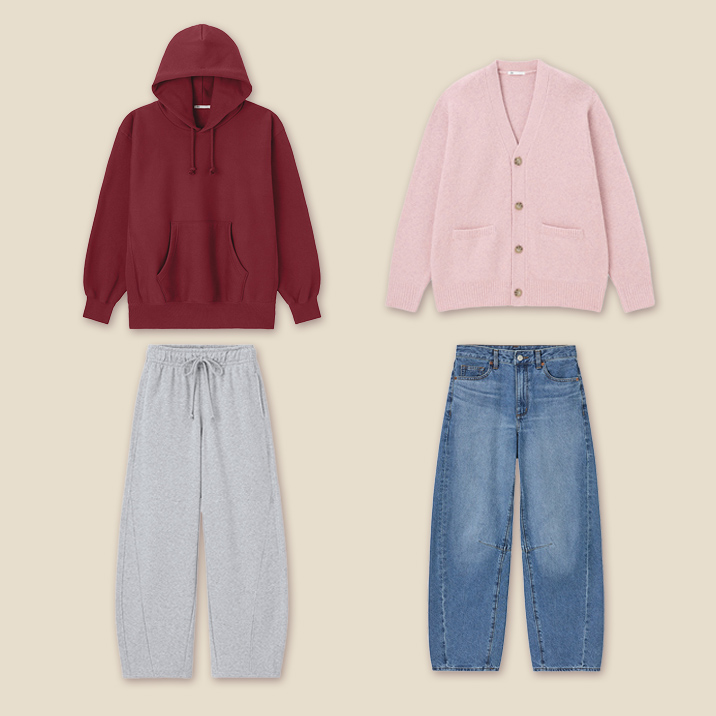
The possibilities of recycling are expanding with the evolution of recycling technology. Creating new clothing that recycles and utilizes limited resources is becoming increasingly prominent in the GU lineup. Product Pricing...
Show more
-
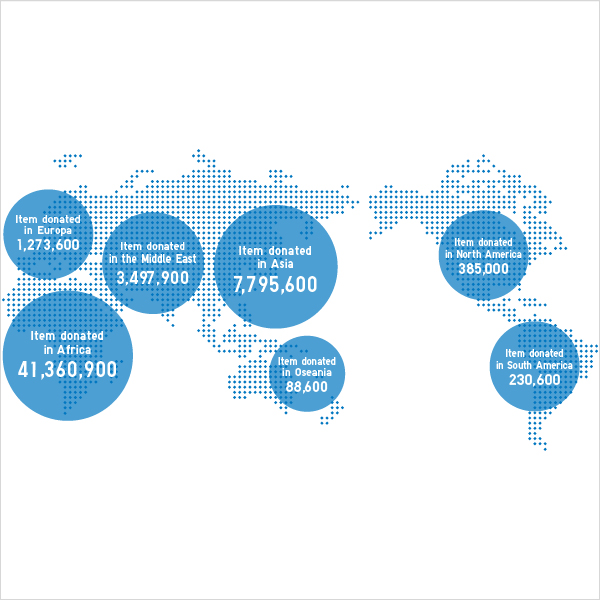
The current situation of refugees and GU's support activities
According to The United Nations High Commissioner for Refugees (UNHCR), more than 100 million people worldwide are currently forced to flee their homes due to conflict and persecution, and are forced to flee war and oppression.
Show more
Recommended articles
-
RE.GU
Towards clothes that enrich the future. GU is promoting the "RE.GU" initiative to recycle and reuse all of its products. Your beloved clothes will find new uses in new places...
Show more
-
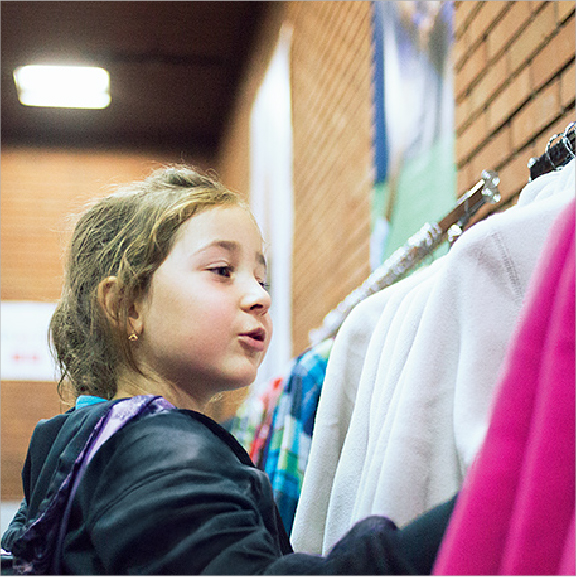
What we can do for children (next-generation education activities)
Using the power of clothing to contribute to the development of the younger generation who will lead the future, that is one of GU's most important missions. We are holding a visiting class called "Deliver Clothes" at schools across Japan to teach students about clothing recycling.
Show more
-
Diversity Commitment
The very essence of LIFE WEAR is to face the lives of all people and continue to walk together with them. Our colleagues and customers around the world. We respect each individuality and value system and strive to build the best relationships...
Show more
-
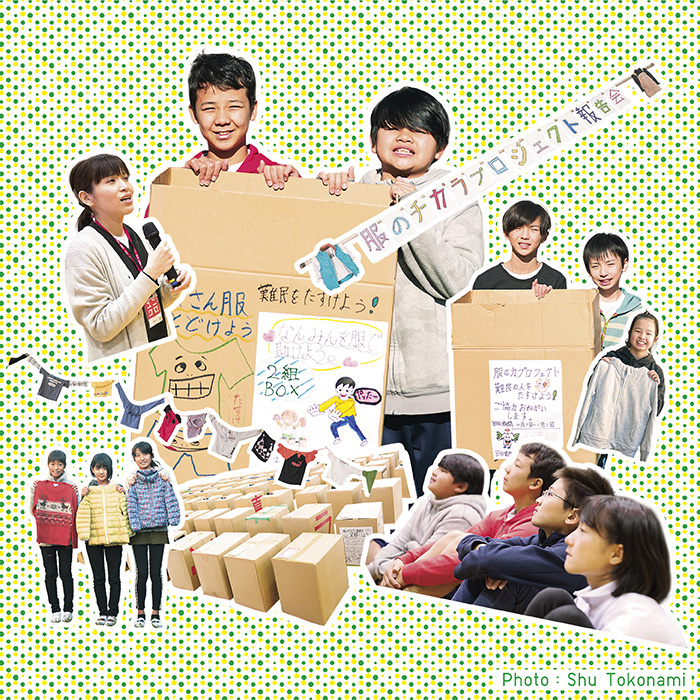
"Power of Clothing" project
Fast Retailing is collaborating with UNHCR (The United Nations High Commissioner for Refugees) on this participatory learning program for elementary, middle, and high school students. After attending a lecture by a Fast Retailing employee, the children...
Show more

