(香港) 繁體中文
(台灣)

#Japan
SETOUCHI
OLIVE
FOUNDATION
Setouchi
Olive Foundation


The Setouchi Olive Fund is an NPO established in the wake of the Teshima Incident, the largest illegal dumping of hazardous industrial waste in Japan at the time, in the 1990s. It was established at the initiative of architect Tadao Ando and Kohei Nakabo, the head of the legal team for the case. Launched in 2000 with the aim of protecting and restoring the beautiful natural environment of the Seto Inland Sea, the fund continues to this day, achieving numerous successes. UNIQLO and GU have been supporting the fund through in-store fundraising activities since 2001.

The thoughts behind Olive and Finless Porpoise
Olive: "The past 20 years"
When the fund was established with the aim of creating a sustainable future through local efforts, many donations soon poured in from all over the country. Using these funds, olive trees were planted at Ieura Port, the gateway to Teshima, and around the national park, where the environment had been destroyed by illegal waste dumping, marking the beginning of greening activities. The olive, the prefectural tree of Kagawa Prefecture, represents "peace" and "wisdom." Protecting the "peace" that has finally arrived after 25 years of fighting, and sharing "wisdom" with various organizations and citizens working in environmental conservation activities in the Seto Inland Sea, we hope to pass on our beautiful hometown to the next generation. This sentiment is embodied in the olive.
Finless porpoises: "The next 20 years"
Finless porpoises are small dolphins that live in the Seto Inland Sea. Due to the deterioration of the natural environment, they had disappeared, but have recently begun to appear again. Finless porpoises are at the top of the food chain in the Seto Inland Sea, so it is said that they easily accumulate pollutants in their bodies. They are, so to speak, a symbol of the rich nature of the Seto Inland Sea. The sight of many finless porpoises swimming is proof that the bountiful sea has returned. Aiming for such a future, we must seriously tackle the problem of marine litter. Finless porpoises represent this strong determination.
Donation results as of the end of December 2024
Cumulative total
Donation results
419,974,391
yen
Cumulative total
Number of trees planted
174,287
More than one book
Thank you very much for your support.
We will continue our activities.
Fundraising to support projects
Your donations will be used to support various activities to protect our beautiful hometown and ocean.

"100 Years of Prosperous Hometown Project"
Support for
This is a long-term project to help and watch over the vegetation in the Setonaikai National Park area, which has been devastated by illegal dumping of waste, so that it can naturally recover to its former lush state. The project was named "100 Years" because it must be passed down to the next generation.
Removal of invasive species and environmental improvement
Starting with the removal of invasive species that were threatening the original ecosystem, the project created an environment in which trees suited to the land could grow, selecting trees suited to each region, primarily olive trees, and planting seedlings. Since 2004, a total of 1,500 UNIQLO and GU employee volunteers have been working alongside local elementary and junior high school students and soil experts to remove invasive species and improve the land's environment. The barren, jungle-like land has been redeveloped to the point where you can see the ocean.


Tree selection and planting
In the past, when people talked about "cherry blossom viewing" in Teshima, they weren't talking about cherry blossoms, but rather about Kobano Mitsuba Azalea. Despite being so beloved by locals, their numbers have been declining because the seeds are very small and difficult to grow. So, Okayama University is now cultivating the seeds into seedlings, which are then left at a local elementary school for a year, where they are watered daily. After a year, the healthy seedlings are planted in developed land, becoming part of the beautiful natural scenery of the Seto Inland Sea.

View activity details

"I hope they grow strong so we can enjoy cherry blossom viewing," he said as he participated in volunteer activities.
Sakura Inoue plants a tree with a wish
One of the projects taking place in Teshima is volunteer tree planting activities.
Sakura Inoue also participated, along with GU and UNIQLO employee volunteers.
After learning about the local history, everyone planted Kobano Mitsuba Azalea seedlings that had been grown by local elementary and junior high school students.

Support for the "Rich Sea Project"
Marine plastic waste is currently a major global problem. Marine pollution does more than just pollute the ocean. It is also feared to be detrimental to the habitats and lives of marine life, and to the harmful effects it can have on humans who consume seafood containing harmful substances. GU supports citizen-participation activities to reduce the generation of marine waste, which is said to amount to more than 8 million tons per year, and to collect waste that has washed into the ocean.
Leadership Development Program
In 2009, the Setouchi Olive Foundation began working on the issue of large amounts of trash that had sunk to the seabed with the cooperation of four fishing cooperatives in Takamatsu City. In response to the worsening problem of marine plastic waste, the foundation launched a full-scale project in 2019. As there are many environmental groups interested in the ocean in the Seto Inland Sea area, the foundation has begun training leaders to promote the project in order to join forces and spread the word about it as a larger initiative.

Holding of "SpoGOMI"
In 2020, the sports litter collection event "SpoGOMI" was held in Imabari City, Okayama City, Uwajima City, Takamatsu City, and Shodoshima Island. In 2021, the Setouchi Olive Fund also participated in "SpoGOMI x UNIQLO," held in Takamatsu, and participants received a gift of olive oil. In Takamatsu, a study tour to Teshima was held for university students, who learned about the reality of the worsening marine litter problem in the Seto Inland Sea.


View activity details

Olives grown in Teshima
The Setouchi Olive Foundation began by planting olive trees to restore the natural environment that had been destroyed by illegal waste dumping. However, the olive seedlings planted are not finished once planted; they need to be carefully cared for by hand every day. With the cooperation of local residents, the Setouchi Olive Foundation currently manages the approximately 600 olive trees that have been planted.
A long-awaited harvest
Olive trees prefer well-ventilated, dry land, and if they are not managed with specialized knowledge, they will quickly become diseased and wither. Local residents and secretariat staff worked together to look after the olive trees, with guidance from Kagawa Prefecture, and finally, 10 years after planting, they began to produce a stable harvest of fruit.


Olive oil commercialization
Teshima is now able to harvest about 3 tons of olives per year. The harvested olives are pressed into oil by the locals themselves. The olive oil produced is used for food, as well as for beauty oils and soaps, and is sold to tourists at Teshima's souvenir shops. Extra virgin olive oil harvested in the fall of 2021 is currently on sale.

View activity details

Grant Activities
The Seto Inland Sea, which has nurtured culture and industry through maritime trade and provided the islands and coastal residents with the bounty of the sea for 10,000 years, is one of the world's leading enclosed seas and is Japan's first national park, boasting the beauty of its many islands. The Setouchi Olive Foundation's grant program provides grants to environmental protection organizations in the Seto Inland Sea area.

Teshima Kokoro Museum
Passing on the story of the Teshima incident
The Teshima Incident was the largest-scale illegal dumping of industrial waste in Japan, and it became a catalyst for Japan's transition to a resource-circulating society. However, as time passes, the lessons learned from the incident are gradually fading away. In order to pass on the lessons learned from the Teshima Incident to future generations, the Setouchi Olive Foundation has launched the "Teshima Incident Storytelling Project" and has created a YouTube video, "An Easy-to-Understand Guide to the Teshima Incident."
Video: "The Teshima Incident: A Quick Guide"

Part 1: How the Teshima Incident began

Part 2: Mountains of garbage remain - Pollution mediation

Part 3: Aiming for a final agreement

*You will be redirected to UNIQLO website
Most Viewed Articles
-
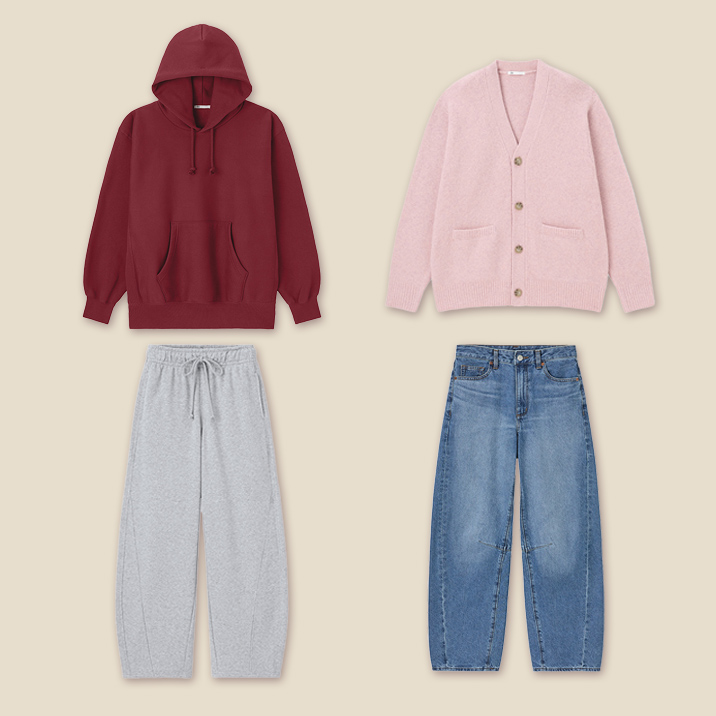
Clothes made from recycled materials
The possibilities of recycling are expanding with the evolution of recycling technology. Creating new clothing that recycles and utilizes limited resources is becoming increasingly prominent in the GU lineup. Product Pricing...
Show more
-
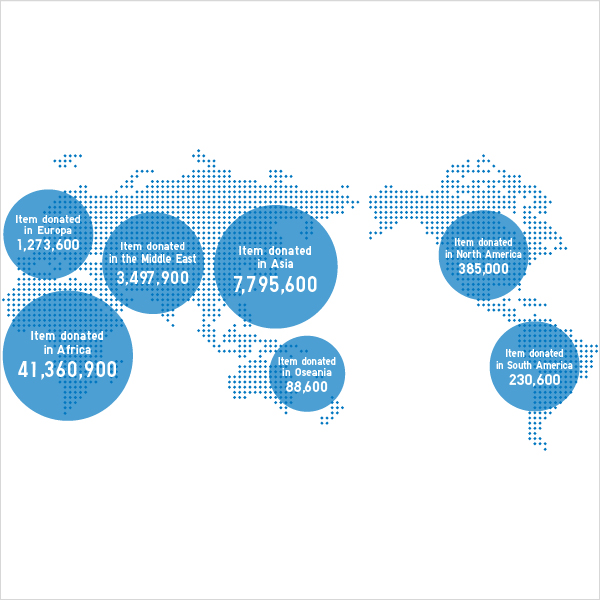
The current situation of refugees and GU's support activities
According to The United Nations High Commissioner for Refugees (UNHCR), more than 100 million people worldwide are currently forced to flee their homes due to conflict and persecution, and are forced to flee war and oppression.
Show more
Recommended articles
-
RE.GU
Towards clothes that enrich the future. GU is promoting the "RE.GU" initiative to recycle and reuse all of its products. Your beloved clothes will find new uses in new places...
Show more
-
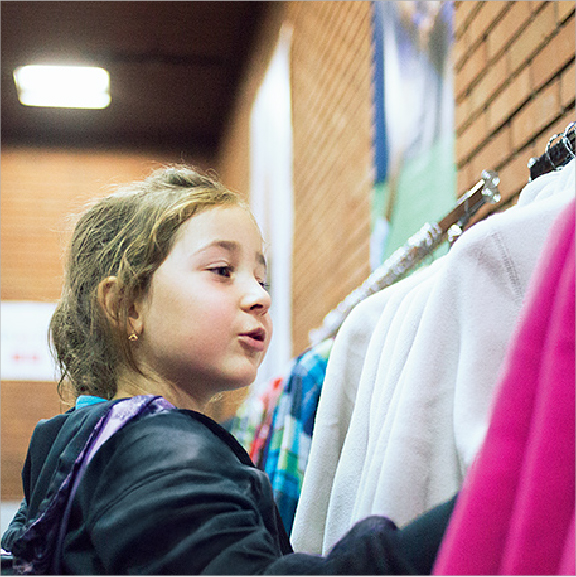
What we can do for children (next-generation education activities)
Using the power of clothing to contribute to the development of the younger generation who will lead the future, that is one of GU's most important missions. We are holding a visiting class called "Deliver Clothes" at schools across Japan to teach students about clothing recycling.
Show more
-
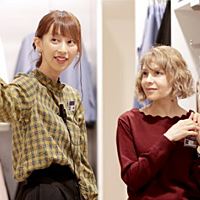
Diversity Commitment
The very essence of LIFE WEAR is to face the lives of all people and continue to walk together with them. Our colleagues and customers around the world. We respect each individuality and value system and strive to build the best relationships...
Show more
-
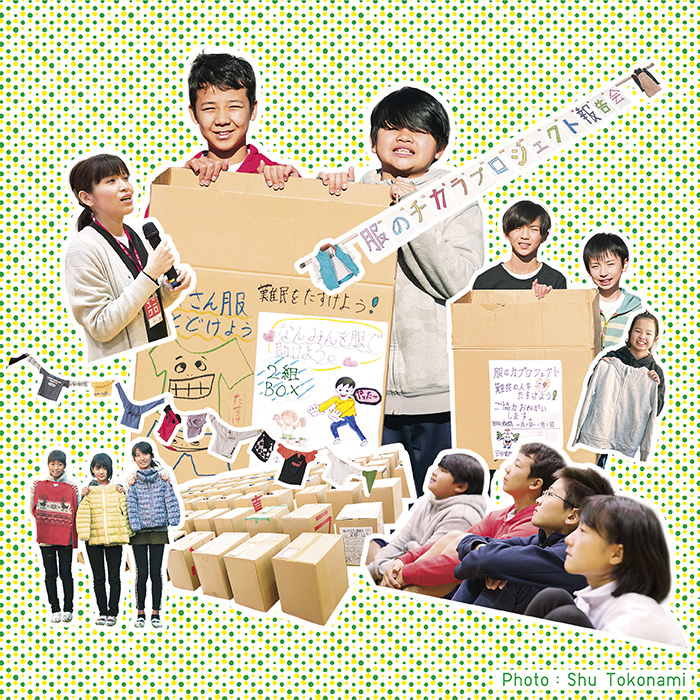
"Power of Clothing" project
Fast Retailing is collaborating with UNHCR (The United Nations High Commissioner for Refugees) on this participatory learning program for elementary, middle, and high school students. After attending a lecture by a Fast Retailing employee, the children...
Show more
